Necessary Fishing Gear Pieces for Your Next Trip
When planning a fishing trip, choosing the right gear is essential. Essential items include rods, reels, and safety equipment. A well-stocked tackle box simplifies access to required lures and lines. Understanding bait types and methods can significantly impact achievement on the water. Furthermore, carefully-selected accessories enhance ease and camaraderie. What should anglers prioritize when choosing their gear? This exploration will guide you through the must-have items for a successful outing.
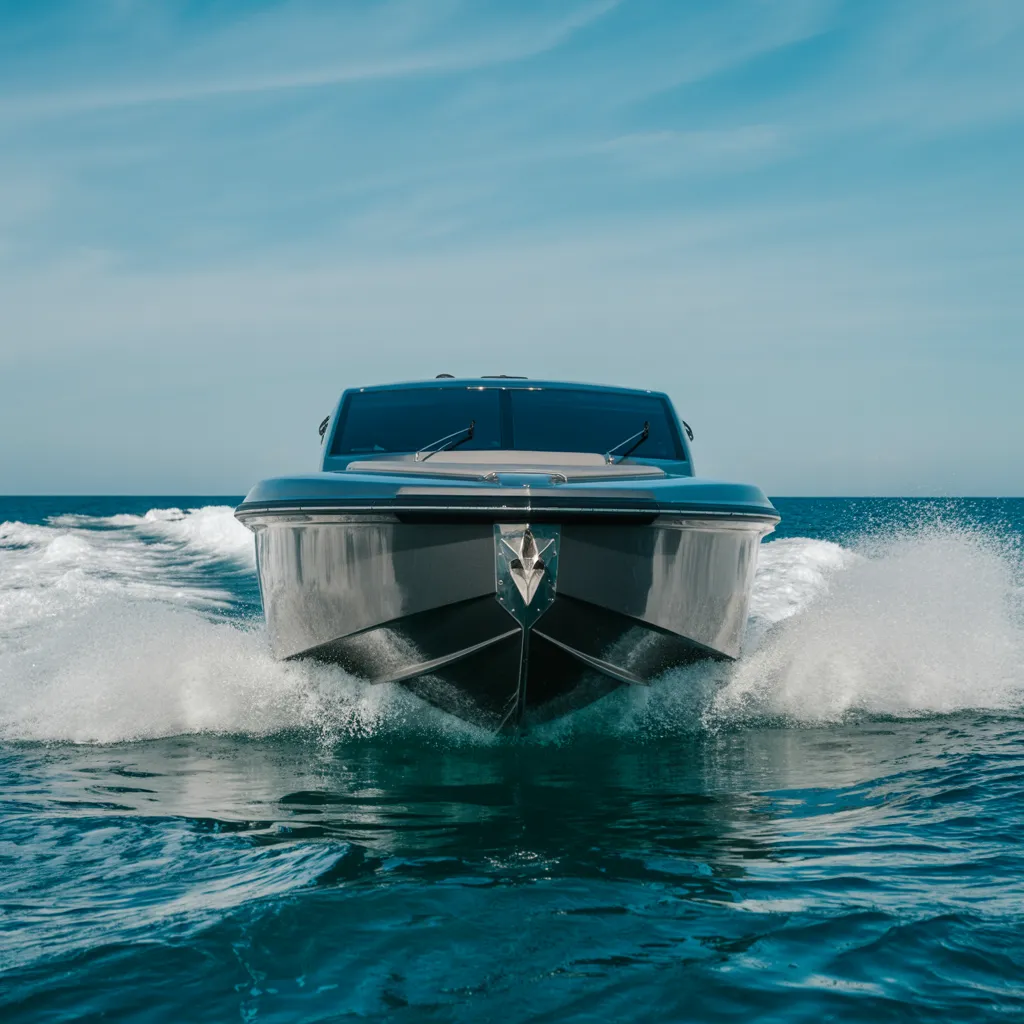
Key Fishing Rods and Reels
When plotting a successful fishing trip, settling on the right rods and reels is essential. The preference of rod should depend on the type of fishing, whether it be freshwater or saltwater, and the species targeted. Spinning rods are multipurpose and uncomplicated, making them suited for beginners. In contrast, baitcasting rods grant greater finesse and control, well-suited for more experienced anglers.
Reels play a vital role; conventional spinning reels are straightforward and effective for numerous fishing approaches, while baitcasting reels deliver improved line management and precision. Aligning the fishing rod and reel system with respect to power and action guarantees excellent performance. Rod size is one more consideration; extended rods facilitate extended casting distance, while compact rods give superior command in restricted areas. Generally speaking, the best match of equipment can substantially boost the fishing adventure, making it more satisfying and rewarding.
Safety Apparel for a Hassle-free Journey
When planning out a fishing trip, safety gear is an vital component in ensuring a safe experience. Key equipment like life jackets and vests, first aid essentials, and emergency communication find this resource tools significantly improve safety while on the water. Getting ready for unexpected situations allows anglers to enjoy their outing with security.
Life Jackets And Vests
A reliable life jacket or vest is important for maintaining safety on any fishing trip. These devices provide buoyancy and help prevent drowning in case of sudden falls into the water. Available in multiple styles and sizes, they fit different activities and preferences, providing comfort while fishing. Many modern life jackets are lightweight and intended for ease of movement, letting anglers cast lines without restriction. It’s vital to pick a U.S. Coast Guard-approved model to conform to safety standards. Proper fit is also vital, because an ill-fitting life jacket may be ineffective. By emphasizing safety with a quality life jacket or vest, anglers can focus on enjoying their time on the water.
Critical First Aid Supplies
Essential first aid supplies are crucial for any fishing trip, ensuring that anglers are prepared for minor injuries or health concerns that may arise on the water. A comprehensive first aid kit typically includes adhesive bandages, antiseptic wipes, and gauze pads to treat cuts and scrapes. It is also prudent to include pain relievers, such as ibuprofen or acetaminophen, to alleviate discomfort. Additionally, tweezers can help remove splinters or hooks, while a cold pack can reduce swelling from minor injuries. For those prone to allergic reactions, antihistamines are essential. Finally, a first aid manual can provide guidance in case of more serious injuries. Being equipped with these essentials promotes a safer, more enjoyable fishing experience.
Emergency Notification Systems
Fishing trips can quickly turn risky without proper communication devices, as unforeseen circumstances may arise on the water. Vital equipment like VHF radios enable fishermen to communicate with nearby boats or shore, providing a lifeline in emergencies. Additionally, satellite phones provide service in remote areas where cell signals are inconsistent, guaranteeing that assistance can be summoned if needed.
Personal locator beacons (PLBs) are indispensable, transmitting distress signals to search and rescue teams even in the most remote locations. Furthermore, having a whistle or mirror can boost visibility and audibility in emergencies. Outfitting a fishing trip with these distress signal tools not only reinforces safety but also provides peace of mind, permitting anglers to concentrate on experiencing their adventure.
Must-Have Tackle Boxes Which Every Angler Need for Angling
Tackle boxes function as crucial apparatus for any fishing excursion, offering compartmentalized storage to keep gear easily accessible and straightforward to locate. The selection of water-resistant substances is fundamental to preserve contents from the elements, confirming everything remains dry and functional. Likewise, considerations on dimensions and transportability can markedly improve a fisher's adventure, making transportation effortless.
Vital Storage Area Organization
A well-organized tackle box can greatly enhance a fishing trip by so that every item from lures to lines is readily available. A well-designed tackle box includes compartments meant for particular items, such as pliable plastics, hard baits, and terminal tackle. By organizing gear, anglers can rapidly locate what they need, lowering irritation and optimizing their fishing time. Implementing adjustable dividers offers customization, fitting a range of sizes and types of equipment. Moreover, clear containers assist anglers in keeping track of inventory quickly. Regular upkeep is important; consistent organizing and cleaning the tackle box makes certain that everything is set for the next outing. Ultimately, mindful compartment organization transforms a tackle box into a sleek fishing companion.
Water-resistant Materials and Their Essential Role
Correct organization of fishing equipment is only one aspect of the puzzle; the materials present in tackle boxes considerably affect their performance on the water. Water-resistant materials are crucial for protecting tackle and gear from the weather. Rain, splashes, and humidity can harm lures, hooks, and other essential items, resulting in costly new purchases. Quality tackle boxes constructed from water-resistant materials assure that contents stay dry and functional, allowing anglers to focus on fishing rather than being concerned about gear wear. Additionally, these materials frequently include enhanced durability, combating wear and tear from rough handling or abrasive settings. Ultimately, choosing a tackle box built with water-resistant materials improves the overall angling experience, protecting equipment and boosting performance in multiple environments.
Size and Convenience Deliberations
How does one strike the ideal equilibrium between size and portability when picking a tackle box? Anglers face this challenge often, as a well-chosen tackle box must hold a range of gear while staying simple to transport. A larger box may contain more tackle but can become cumbersome during journeys, particularly on land or by kayak. Alternatively, a compact box guarantees portability but may restrict available space for necessary items.
To address this difficulty, anglers should reflect on their fishing style and the specific gear needed for their journey. Modular tackle boxes, which allow for adaptable organization, often deliver an excellent solution. Finally, the right tackle box enhances the angling adventure by combining functionality with convenience, making certain fishing enthusiasts are always prepared.
Types of Bait and Fishing Tactics
Success in angling often copyrights on the careful selection of bait options and the techniques employed. Anglers typically choose between live bait, such as minnows or worms, and synthetic lures, which replicate the look and motion of prey. Each bait option has its benefits; live bait tends to attract a broader range of fish, while lures enable varied presentations and can cover additional water effectively.
Fishing methods differ greatly depending on target species and surrounding circumstances. For example, bottom fishing is productive for species like catfish, using weights to maintain bait near the substrate. Conversely, fly fishing targets species such as trout, using lightweight flies that sit on the water's surface. Trolling, a technique consisting of pulling bait behind a moving boat, works well for larger fish such as salmon. In conclusion, grasping the combination of bait types and techniques can greatly enhance an fisherman's odds of success on any angling expedition.
Fun Gear to Make Your Fishing Trip Memorable
Fishing trips can be boosted with a assortment of fun accessories that boost the overall adventure. One common accessory is a personalized tackle box, letting anglers to organize their equipment while bringing a touch of individuality. Additionally, coordinated garments, such as similar hats or shirts, promotes camaraderie among angling friends and acts as a fun souvenir.
Portable Bluetooth speakers can create a lively atmosphere, providing the perfect soundtrack for a day on the water. For those who enjoy photography, a waterproof camera or smartphone case records memorable moments without the worry of water damage.
To conclude, a fish-inspired game or deck of cards can divert during downtime, making the trip enjoyable even when the fish aren't biting. By integrating these engaging accessories, anglers can establish lasting memories and enhance the overall delight of their fishing adventures.
Picking the Best Fishing Equipment
Picking appropriate fishing gear is important for guaranteeing a productive outing on the water. Anglers must assess different factors, like the type of fish they seek to acquire, the fishing setting, and individual skill levels. For freshwater fishing, a medium-action rod matched with a spinning reel is often ideal, while saltwater fishing may necessitate more powerful tackle to withstand bigger species.
Line resilience and lure selection also play significant roles; a well-matched line can prevent breakage, while the proper lure can bring in the fish you want. Additionally, safety equipment, such as life jackets and sun protection, should not be missed.
In the end, it's vital to pick equipment that suits one's financial constraints and inclinations. Superior equipment can boost the angling journey, rendering it more enjoyable and productive. By carefully selecting their equipment, anglers can improve their likelihood of a rewarding angling adventure.
Common Inquiries Asked
Where Can Beginners Find the Greatest Fishing Areas?
New anglers frequently realize success at local ponds, rivers with calm waters, and designated fishing lakes. These locations typically offer convenient banks, ample fish stocks, and a friendly environment ideal for learning the basics of fishing.
How Significantly Do Weather Conditions Control Fishing Success?
Atmospheric variables greatly affect fishing achievement; overcast skies often amplify fish activity, while bright sunlight can drive them deeper. Wind can churn the water, making fish more aggressive, while storms may temporarily prevent bites.
Which Permits Are Required for Me to Fish Legally?
To participate in fishing legally, individuals typically need a valid fishing license issued by their state or country. Standards fluctuate, so consulting municipal instructions is essential to guarantee conformance with specific specifications for hobby or industrial fishing.
Are there age limitations for fishing in public waters?
Age limitations for angling in open waterways vary by state and area. Typically, young people may angle with parental oversight, while some areas require licenses for specific age groups. Researching local regulations ensures adherence with relevant legislation.
What Ought to I Accomplish if I Catch a Fish?
When catching a fish, one must gently treat it, respecting local regulations. If intending to maintain it, guarantee proper storage; otherwise, softly return it back into the water to minimize stress and ensure survival.